

ABOUT ZEMITHANG
The realm of peace
Zemithang, called Pangchen or the ‘land free from sins’ in the Monpa language, is a quiet Himalayan valley with 18 villages along the Nyamjang Chu river. Winter brings a rare sight — the graceful Black-necked Cranes that return here each year.


Valley of the crane
Zemithang lies along the Nyamjang Chu River, touching Bhutan to the west and Tibet to the north.
The valley forms India’s final frontier before the great Himalayan passes, with routes once used by traders and monks carrying salt, wool, and scriptures.
Today, it remains one of the least-trodden places in the Himalayas, where the horizon is marked by snowy ridges and prayer-flag-strewn passes.
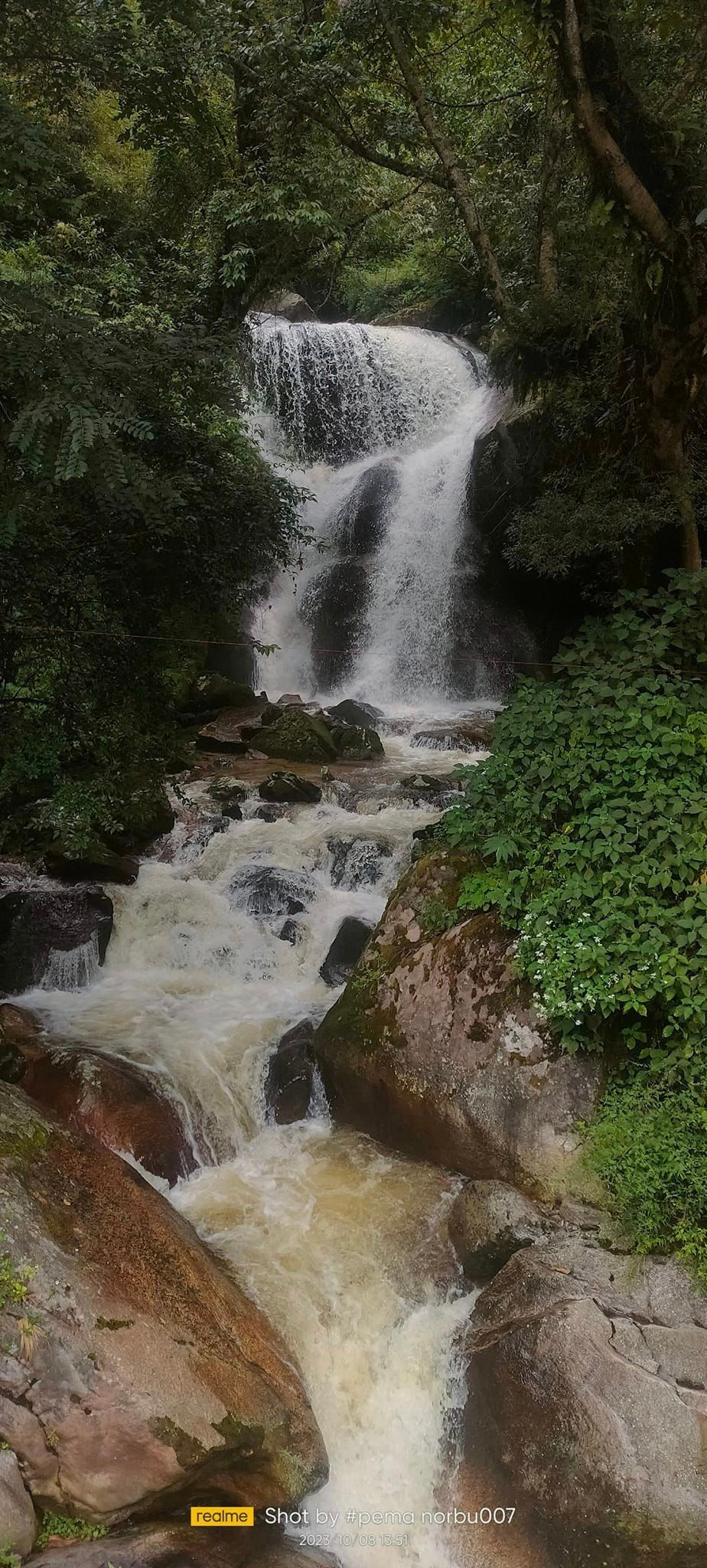
Its remoteness is its strength: untouched landscapes, high-altitude grasslands, and forests that are part of the Eastern Himalayan biodiversity hotspot.
-
Altitude: 1,600 m (valley floor; rises to 4,500 m)
-
Borders: Bhutan (west) & Tibet (north)
-
Best Season: September–May
-
Local Villages: Lumpo, Muchat, Kharman, Kelaktang, Shocktsen

-
Diverse and rare flora and fauna
The valley lies within the Eastern Himalayan Biodiversity Hotspot, one of the richest on earth. Subtropical forests of oak and magnolia climb into alpine meadows dotted with primulas and rhododendrons.
Wildlife here includes the elusive snow leopard, red panda, Himalayan black bear, and over 300 species of birds.
Did you know?
Zemithang is one of the only places in India where the black-necked crane breeds—villagers still pause to listen when the birds call at dawn and dusk.

Shifting Seasons
The climate shifts dramatically with altitude. Summers are mild, with daytime highs of 18–22°C; winters are harsh, often plunging below −10°C.
Monsoons bring mist and swollen rivers, painting the valley in deep greens. The best months are September to May, when skies are clear, rhododendrons bloom, and the cranes arrive to winter in the marshes.
Spring (March – May)
-
Weather: Pleasant, with temperatures rising after winter; snow still lingers on higher peaks.
-
Flora & Fauna: The valley bursts into bloom with rhododendrons, primulas, and alpine herbs carpeting slopes. Good season for birdwatching; pheasants like Satyr Tragopan and Blood Pheasant are often sighted.
-
Festivals: Local Buddhist festivals such as Choskar (prayers for crops) are observed in villages, offering glimpses of Monpa rituals.
Summer (June – August)
-
Weather: Warm but wet — the monsoon brings heavy rainfall, slippery roads, and leeches at lower elevations.
-
Flora & Fauna: Lush green landscapes and alpine meadows in full growth.
-
Travel Notes: Not the easiest time for travel, but the valley is at its most vibrant for those seeking solitude and scenery.
Autumn (September – November)
-
Weather: Clear skies, crisp air, and excellent mountain views.
-
Flora & Fauna: Migratory birds begin arriving; September–October is an ideal time for spotting ibisbill, long-billed plovers, and other high-altitude species.
-
Festivals: Tawang Festival (usually in October) showcases Monpa culture, with dances, rituals, and local crafts, drawing visitors from across Arunachal Pradesh.
-
Best For: Photography, trekking, and cultural immersion.
Winter (December – February)
-
Weather: Cold, with heavy snowfall at higher altitudes and sub-zero nights. Roads may be challenging, but the valley remains accessible.
-
Flora & Fauna: Black-necked Cranes arrive in Zemithang’s Pangchen Valley from Tibet, usually between late October and early March — a rare and sacred sight. Other high-altitude birds such as hen harriers and griffons are also spotted.
-
Culture: Monpa families light butter lamps and hold winter prayers at monasteries, offering a quieter cultural experience.
Did you know?
Over 100 high-altitude lakes are hidden in the Zemithang circle—many frozen most of the year, believed by locals to be homes of protective deities.


-
A mix of old and new
In Zemithang’s villages like Kharman and Kelegthang, traditional Monpa houses — known as Chikpa Chame — remain a striking feature. Built communally from stone, wood, and mud, many stand 200–500 years old.
These double or triple-storeyed homes have thick stone walls, mud insulation, and small wooden doors designed to withstand snow and rain. Their sloping roofs, once made of bamboo, are today often replaced with tin.
Each house has a family chapel with a statue of Lord Buddha, while village gompas rise on nearby hilltops, surrounded by prayer flags, stone shrines (mane), and chortens that line the paths. Constructing a house is still a collective effort, with neighbours coming together to gather and build.
Villagers are skilled carpenters and artisans, carrying forward techniques that reflect generations of craft.
Though newer concrete houses have begun to appear, the Chikpa Chame continue to define the cultural and visual landscape of Zemithang, standing as enduring symbols of community, craftsmanship, and tradition.


Encounters, not itineraries
Zemithang is not just for sightseeing; it is a place of encounters — with stories, wildlife, and history.
-
Spiritual Landmarks: The 12th-century Gorsam Chorten, a rare stupa of its kind, and Khinzemane, where the 14th Dalai Lama first rested in India in 1959.
-
Wildlife: The valley shelters endangered species like the Red Panda, Snow Leopard, Musk Deer, and the wintering Black-necked Crane.
-
Birdlife: A haven for birdwatchers, from the wallcreeper to the ultramarine flycatcher.
-
Trails & Walks: Identified paths showcase both the biodiversity and the rhythms of traditional life.
-
Local Experiences: Learn to make churpi or butter from yak milk, or share butter tea in a village home.
Only a few hundred visitors make their way here each year — guided by local experts and welcomed by homestays that keep the experience intimate and rooted.
Did you know? No building in Zemithang is taller than a prayer flag mast—an unwritten rule that keeps the valley’s skyline sacred.

.jpeg)
-
Keeping Zemithang alive
Life in Zemithang is deeply tied to the forests, rivers, and meadows. Yet this harmony is under pressure. From crop raids by wild animals to sand mining along the Nyamjang Chu, the community faces challenges that threaten both livelihoods and biodiversity.
With limited jobs and access to education, many families depend on seasonal labour with roads or the army.
And yet, opportunity grows alongside challenge.
Through community-based tourism (CBT), villagers are reimagining their future: offering homestays, guiding nature walks, and sharing their heritage with visitors.
When you visit, you’re not just passing through — you contribute to sustaining Zemithang’s landscapes, culture, and community.
.jpeg)

Pioneering Sustainable Waste Management
Managing waste in remote valleys like Zemithang is a growing challenge. To address this, the Further and Beyond Foundation has introduced a community-driven waste management programme.
This comprehensive initiative encompasses an orientation phase, the formation of a waste management committee, regional policy development, and capacity-building.
The program also emphasises connecting the community to recycling markets, implementing a user fee system, source segregation, and the efficient collection, storage, and transfer of waste.
This initiative ensures that Zemithang's breathtaking natural environment is preserved for future generations through shared responsibility and modern, sustainable practices.


Get to know Zemithang Valley
